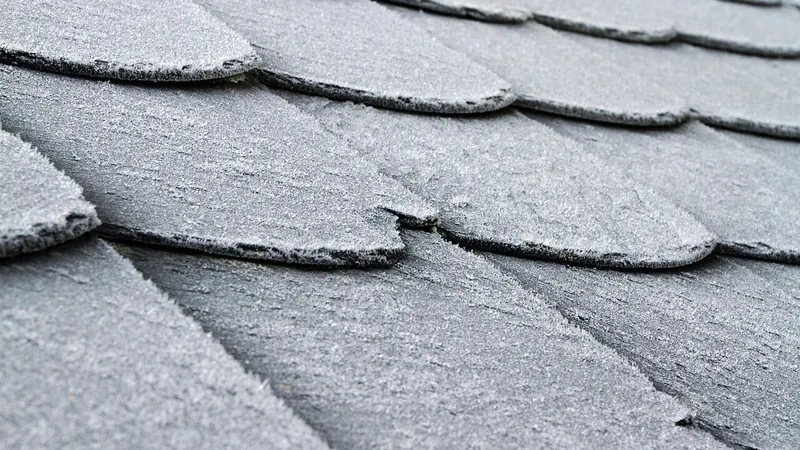
Slate to asphalt · materials
Synthetic Slate or Natural Slate: Which Is Better?
A neutral comparison of natural slate, the look-alikes sold as synthetic, composite, faux or metal slate, and asphalt. We put on asphalt only and install none of the others, so we have no stake in which slate you pick.
- Natural, synthetic, composite and metal slate
- Historic approval wording quoted
- Not a quote
Is synthetic slate better than natural slate?
Natural slate is better for lifespan and for historic approval; synthetic slate is lighter and usually cheaper upfront. The National Park Service calls artificial slate not recommended for restoration work and notes its total initial cost is only marginally less, because tear-off, flashing and labor cost about the same.
For many owners the real choice is between keeping natural slate and going to asphalt, with synthetic as a middle option. The table below sets them side by side.
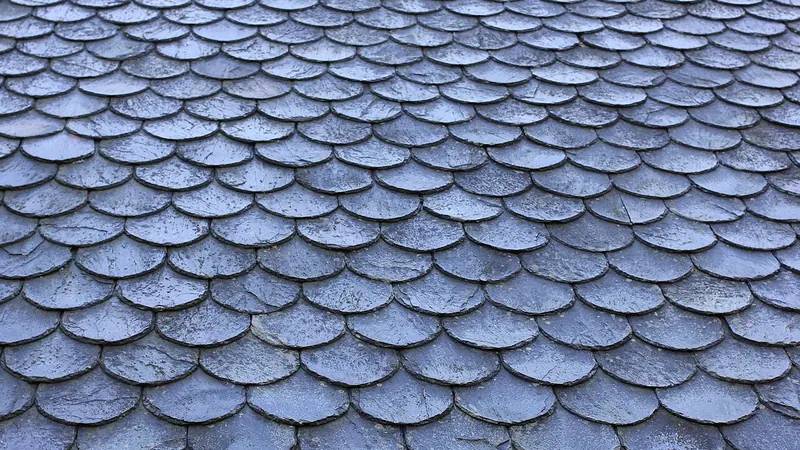
Natural slate, synthetic slate and asphalt compared
| Natural slate | Synthetic slate | Architectural asphalt | |
|---|---|---|---|
| Published cost (third-party) | $15.50–$31 per sq ft (Angi, Philadelphia) | $10.25–$15.50 per sq ft (Angi, Philadelphia) | $5.30–$7.42 per sq ft (RoofVista, PA) |
| Expected life | About 60 to 200 years by stone type (NPS) | Varies by product; check the maker's terms | Shorter than slate; varies by product |
| Weight | Heaviest | Lighter than slate | Lightest |
| Philadelphia staff approval for slate replacement | Matches by definition | Possible if it closely matches color and shape | Possible if it closely matches color and shape |
| Who puts it on | Slate specialist | Roofer trained on that product | Asphalt roofer (our trade) |
These are published third-party estimates and public fee schedules, dated where the publisher dates them. Not a quote; your price comes after a free inspection.
Will a historic commission accept synthetic slate or asphalt?
In Philadelphia, staff can approve a substitute for deteriorated slate if it closely approximates the color and shape of the historic slate, except on mansards, turrets and other character-defining features. That standard applies to synthetic slate and asphalt alike. In Lower Merion districts the board favors matching material, texture and color.
Approval is decided case by case, so a product sample and dated photos of the roof's condition help any application. Our historic approvals guide quotes each rule.
What is metal slate roofing?
Metal slate is steel, sometimes aluminum, stamped and coated to look like slate shingles. HomeGuide puts it at $600 to $1,400 per square installed. One maker's code evaluation report lists its steel slate panel at 0.91 pounds per square foot installed, against about 9.35 for quarter-inch natural slate, per the National Slate Association.
The same report lists 28-gauge G90 galvanized steel, a minimum slope of 4:12 and a Class 4 hail-impact rating, with the fire class depending on what goes under the panels. For a historic house, Philadelphia's color-and-shape test above applies to metal as it does to any substitute.
What is a faux slate roof?
Faux slate is a catch-all name, not one product. HomeGuide uses it for synthetic or composite slate and notes that asphalt, metal, concrete and clay can all be made to look like slate. Its faux slate range of $300 to $1,900 per square installed spans those materials, so ask any seller which one they mean before comparing prices.
HomeGuide last updated that page in April 2023, so its figures are older than the Philadelphia numbers in the table above. A slate-toned architectural asphalt shingle is the one look-alike we put on; see replacing a slate roof with asphalt.
What are composite slate roof tiles?
For most sellers, composite slate and synthetic slate mean the same thing: tiles molded from polymers, often with mineral fillers or recycled rubber, to look like slate. One maker's code evaluation report describes its tiles as composite polymeric roof coverings weighing about 2.7 to 3.5 pounds per square foot installed, for slopes of 3:12 or steeper.
That report rates the tiles Class 4 for hail impact, with the fire class set by the whole roof assembly. The National Park Service's brief on substitute materials says calcium carbonate and recycled-rubber shingles move more with heat than slate and are lighter and more flexible. Blends differ by brand, so compare each product's own documents.
Slate look-alikes side by side
| Metal slate | Composite or synthetic slate | Natural slate, for scale | |
|---|---|---|---|
| Installed weight | 0.91 lb per sq ft (one steel product) | 2.7–3.5 lb per sq ft (one composite product) | About 9.35 lb per sq ft at ¼ inch; 18.70 at ½ inch |
| Published installed cost | $600–$1,400 per square (HomeGuide) | $10.25–$15.50 per sq ft (Angi, Philadelphia) | $15.50–$31 per sq ft (Angi, Philadelphia) |
| Minimum roof slope in the report | 4:12 | 3:12 | Not covered by these sources |
| Hail impact (UL 2218) | Class 4 | Class 4 | Not rated by these sources |
| Who puts it on | Installer trained on that product | Installer trained on that product | Slate specialist |
Weights, slopes and impact ratings come from one product in each category: QAI code evaluation reports CERus-1037 (EDCO metal roofing, June 2025) and CERus-1049 (DaVinci roof coverings, revised June 2025). Other brands differ. Natural slate weights are from the National Slate Association. We don't install metal, composite, synthetic or natural slate. Costs are published third-party estimates, not a quote.
Where each one makes sense
- Natural slate when the house is a landmark, the roof is a defining feature such as a mansard or turret, or you plan to stay for generations.
- Synthetic or composite slate when you want a slate look with less weight and the reviewing body has accepted the product.
- Metal slate when the lightest slate look matters most, the roof is 4:12 or steeper, and any reviewing body accepts a metal substitute.
- Asphalt when the slate has failed, the budget is the deciding factor and the review body, if any, approves a slate-toned shingle. That is the job we do.
Material questions
Does synthetic slate cost less than natural slate overall?
Is metal slate lighter than synthetic slate?
Is composite slate the same as synthetic slate?
Will a historic commission accept metal slate?
Do you put on synthetic, composite or metal slate?
Sources and checked date
- National Park Service, Preservation Brief 29 (Levine, 1993) artificial slate and lifespans
- Philadelphia Historical Commission Rules & Regulations, §6.10.c(4) color and shape standard
- Lower Merion Township Code, Chapter 88, §88-9
- Angi, How much does a slate roof cost in Philadelphia (updated Oct 5, 2026) accessed Oct 29, 2026
- RoofVista, Historic slate roofing in Pennsylvania (Mar 26, 2026) accessed Oct 29, 2026
- Adilay Roofing, Philadelphia slate cost guide (Sept 20, 2026) accessed Oct 29, 2026
- National Park Service, Preservation Brief 16: The Use of Substitute Materials on Historic Building Exteriors (2023) composite and recycled-rubber shingles; accessed Nov 2, 2026
- QAI, Code Evaluation Report CERus-1037, EDCO Metal Roofing Panels (June 2025) steel gauge, weight, slope, impact and fire class; accessed Nov 2, 2026
- QAI, Code Evaluation Report CERus-1049, DaVinci roof coverings (revised June 2025) composition, weight, slope, impact and fire class; accessed Nov 2, 2026
- National Slate Association, Common myths about slate roofing natural slate weights; accessed Nov 2, 2026
- HomeGuide, Metal roof cost (updated Nov 21, 2025) metal slate per square; accessed Nov 2, 2026
- HomeGuide, Slate roof cost (updated Apr 5, 2023) faux slate definition and range; accessed Nov 2, 2026
Last checked 2026-10-29.
Rules change. Confirm with the city, township or borough permit office before you rely on any permit or historic-district detail here.
Weighing your options? Ask us
Tell us where the house is, how old the roof is and what it is doing. If you have photos, say so and we will ask for them by email. Outside our core area? Send the form and ask.
We answer form requests Monday to Friday, 9am to 5pm. There is no phone line, so the whole conversation stays in writing.