Storm help · insurance
How Does a Roof Insurance Claim Work in Pennsylvania?
General information only. Your policy and your insurer decide what is covered; we can document the roof and give a written estimate.
- General steps, not advice on your policy
- Written estimates and photos
- Based on state guidance
How does a roof insurance claim work?
You report the damage to your insurer, document it, prevent further damage, and the insurer assesses the loss under your policy and decides what it pays. Pennsylvania's Insurance Department suggests contacting the insurer as soon as possible, keeping receipts, and finding out the total repair cost before agreeing to a settlement.
General steps from the state's guidance
- Report itContact your insurer as soon as you can and follow its instructions.
- Document itPhotos or video before cleanup or repairs.
- Prevent more damageTemporary measures only; no permanent repairs until the insurer approves.
- Keep recordsReceipts, and the names and dates of everyone you speak to.
- Know the full costGet the total repair cost before agreeing to a settlement.
- If it is deniedRead the policy; the state says you may appeal to the insurer's claim manager and contact its Consumer Help Center.
Step by step: a roof claim on an older house
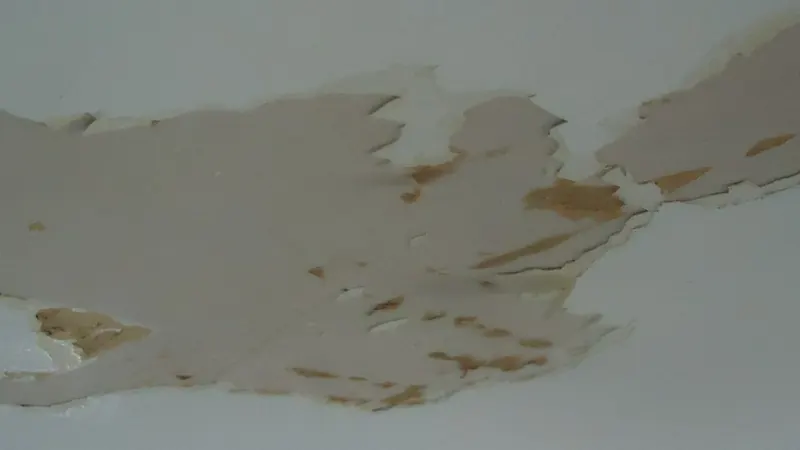
- Photograph the damageBefore anything is moved, take dated photos or video of the roof from the ground, fallen slate or shingles, the attic underside and every ceiling stain. Leaks on older houses often show up in the attic or top-floor rooms first.
- Protect the house for nowTemporary measures only: buckets, plastic over belongings, a tarp. We put emergency tarps on within 24 hours on weekdays (Monday to Friday); we don't tarp on weekends. Keep every receipt.
- Contact your insurerReport the damage, write down the claim number, and ask what the insurer needs from you and by when.
- Meet the adjusterThe insurer's adjuster inspects the damage. Be there if you can, show the attic and interior stains, and keep your own photos and notes.
- Get a written estimateAn itemized, written estimate shows what the work involves. We give one after a free inspection, and you decide whether to share it with your insurer.
- Review before you agreeCompare the insurer's figures with the estimate and your policy, and ask the insurer about anything that doesn't line up.
What about slate matching and code upgrades on an older roof?
Two policy questions come up often on prewar houses. One is matching: if the damaged roof is slate or a discontinued shingle, ask how your policy handles material that can't be matched. The other is ordinance or law coverage, which some policies include, often capped, for work current codes require during a covered repair.
This is general information, not advice on your policy, so read your declarations page and ask your insurer. In our estimate we note where slate, extra layers or board sheathing change the scope, so the record is clear. We don't interpret policies, negotiate with insurers or represent you on the claim.
What can a roofer do to help with an insurance claim?
A roofer can inspect the roof, photograph and describe the damage, and give you a written, itemized estimate to share with your insurer. What a roofer can't do is tell you what your policy covers or deal with the insurer for you. Those questions belong with your insurer and your policy documents.
On older houses we note conditions an adjuster may ask about, such as the roof's material and age, how many layers there are and the state of the deck, so the record is complete.
Claim questions
Will insurance pay to replace a slate roof with asphalt?
Should I sign anything a contractor gives me during a claim?
Should I tarp the roof before the adjuster comes?
Can you deal with my insurance company for me?
Will my deductible be covered or waived?
Does insurance pay for code upgrades on an old roof?
Sources and checked date
Last checked 2026-10-29.
Filing a roof claim?
Tell us where the house is, how old the roof is and what it is doing. If you have photos, say so and we will ask for them by email. Outside our core area? Send the form and ask.
We answer form requests Monday to Friday, 9am to 5pm. There is no phone line, so the whole conversation stays in writing.