Data · comparisons
3-Tab vs. Architectural Shingles, Tear-Off vs. Layover
Three choices every prewar roof job runs into, compared on the points that matter. For slate options see the synthetic vs. natural slate page.
- Shingle types
- Tear-off vs. layover
- Flashing metals
- Ventilation
Are architectural shingles better than 3-tab shingles on an older house?
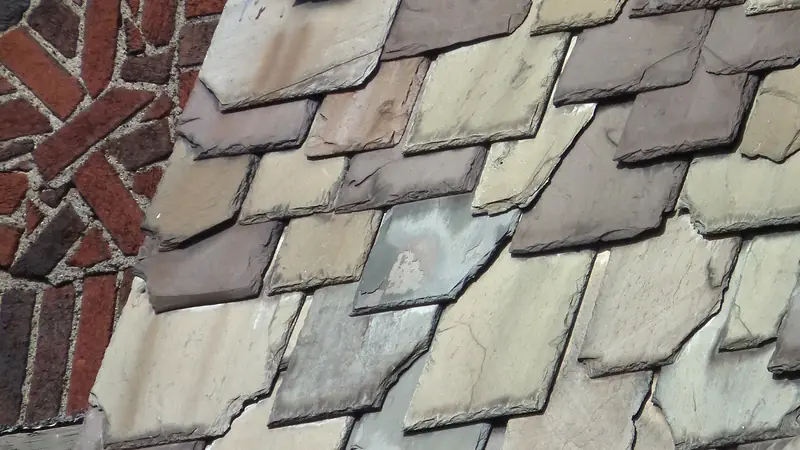
Usually yes. Architectural shingles are thicker and layered, so they read closer to slate or wood from the street, which matters on prewar houses and in historic districts. They cost more: RoofVista's Pennsylvania guide gives $5.30 to $7.42 a square foot against $3.18 to $5.30 for 3-tab.
Architectural vs. 3-tab asphalt shingles
| Architectural | 3-tab | |
|---|---|---|
| Look | Layered, shadowed; closer to slate | Flat, uniform |
| Published cost (RoofVista, PA, Mar 2026) | $5.30–$7.42 per sq ft | $3.18–$5.30 per sq ft |
| Fit for historic review | Easier to match color and shape | Harder to argue as a slate substitute |
These are published third-party estimates and public fee schedules, dated where the publisher dates them. Not a quote; your price comes after a free inspection. Source: RoofVista, accessed Oct 29, 2026.
Should an old roof be torn off or covered over?
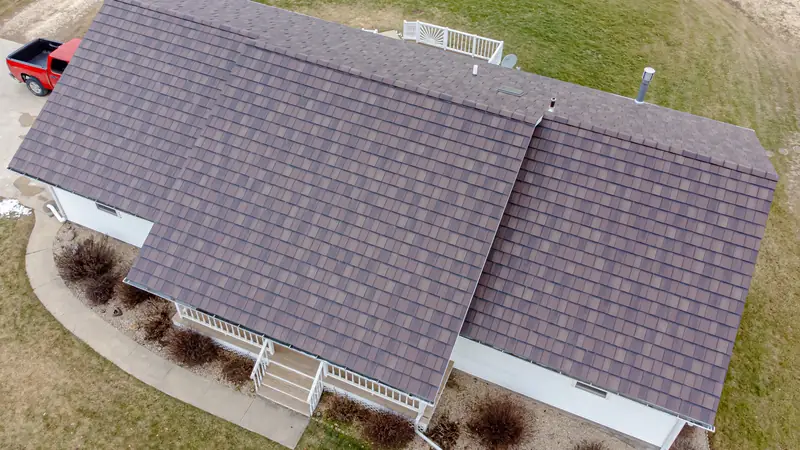
Torn off, in almost every prewar case. A tear-off exposes the board deck so rot and gaps can be fixed, and Philadelphia's EZ Re-Roofing standard requires a full tear-off when the existing roof is slate, is damaged, or already has two or more coverings. Slate can't be covered over at all.
A layover can be cheaper on a newer house with one sound layer, but it hides the deck and adds weight. See the glossary for the terms.
Tear-off vs. layover
| Tear-off | Layover | |
|---|---|---|
| Deck inspected and fixed | Yes | No |
| Over slate | Required | Not possible |
| Philadelphia EZ standard | Required for slate, damaged roofs, or 2+ coverings | Only where none of those apply |
| Weight on the framing | One layer | Adds a layer |
Is copper flashing worth it on an older house?
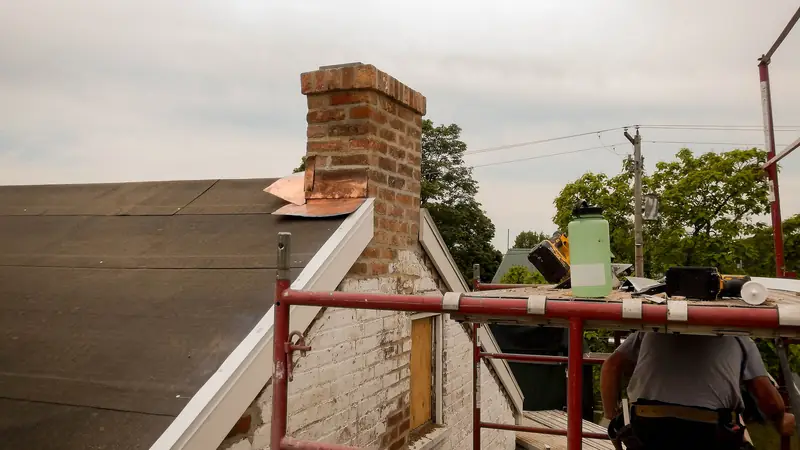
Copper is worth it where the flashing has to outlast long-lived roofing such as slate, which is why the National Park Service recommends 16-ounce copper on slate roofs. Under an asphalt roof, aluminum or galvanized steel flashing sized to the shingles' life is the common, lower-cost choice, and copper is optional.
On a slate-to-asphalt job, chimney counterflashing is often redone at the same time because the old flashing was set for the slate.
Ridge vent, box vents or gable louvers on a prewar attic?
On most older houses in Chestnut Hill, Mt. Airy, Elkins Park and Narberth a continuous ridge vent paired with whatever intake the eaves can provide works best, but the eaves are the hard part. Many prewar houses have boxed cornices, built-in gutters or plaster soffits with no vent openings at all.
So the right answer depends on where air can get in, not only on where it gets out.
What the code asks for. For permits filed in 2026, the statewide code in Pennsylvania is built on the 2021 edition of the International Residential Code. Its Section R806.2 sets the minimum net free vent area at 1/150 of the vented attic. It drops to 1/300 when 40 to 50 percent of that area sits in the upper part of the attic, no more than 3 feet below the ridge, with the balance at the eave or cornice. Section R806.3 adds that eave vents must not be blocked and that at least 1 inch of air space has to stay open between insulation and roof sheathing at the vent.
Ridge vent vs. box vents vs. gable louvers
| Ridge vent | Box (static) vents | Gable louvers | |
|---|---|---|---|
| Where it sits | Along the ridge, under a ridge cap | Cut into the roof near the top | In the gable end walls |
| Counts as upper venting | Yes | Yes, if within 3 feet of the ridge | Yes, if high in the gable |
| Fits an older house | Needs a straight ridge long enough to vent; hips and short ridges limit it | Works on hipped and broken roofs where a ridge vent cannot run | Often original on prewar houses; leaves the roof surface untouched |
| Main limitation | Pulls little air without eave intake | Each one is a roof penetration to flash | Moves air across the top of the attic, less so along the eaves |
Getting air in at the eaves of an older house
The intake problem on older houses. The upper vents only work if air can enter low. On a house with built-in gutters or a closed cornice, adding intake can mean cutting vented strips into a wood soffit or adding a vented drip edge product at the eave. On a finished third floor with ceilings fastened under the rafters, there may be no open attic to vent. Section R806.1 treats those enclosed rafter spaces like an attic that needs cross ventilation, unless the roof is built to the code’s separate rules for unvented assemblies.
Mixing vent types. Combining a ridge vent with box vents or open gable louvers can short-circuit the airflow, because air enters through one upper opening and leaves through another without ever passing over the eaves. When a ridge vent goes in, older box vents on the same attic are usually removed and patched, and gable louvers are often closed off from the inside. Ask your estimate to say which.
Comparison questions
Are architectural shingles better than 3-tab shingles on an older house?
Should an old roof be torn off or covered over?
Is copper flashing worth it on an older house?
Does an old house need a ridge vent when it gets a new roof?
Sources and checked date
- RoofVista, Historic slate roofing in Pennsylvania (Mar 26, 2026) accessed Oct 29, 2026
- Philadelphia L&I, EZ Re-Roofing Permit Standard PB_012_F tear-off rule
- National Park Service, Preservation Brief 29 16-ounce copper
- Pennsylvania Code, Title 34, Section 403.27 (2021 IRC adopted statewide from January 1, 2026) accessed Nov 19, 2026
- International Residential Code 2021, Sections R806.1–R806.3 roof ventilation (Pennsylvania edition on UpCodes) accessed Nov 19, 2026
Last checked 2026-10-29.
Rules change. Confirm with the city, township or borough permit office before you rely on any permit or historic-district detail here.
Weighing options for your roof?
Tell us where the house is, how old the roof is and what it is doing. If you have photos, say so and we will ask for them by email. Outside our core area? Send the form and ask.
We answer form requests Monday to Friday, 9am to 5pm. There is no phone line, so the whole conversation stays in writing.